The Osun-Osogbo Sacred Grove (often just “Osun-Osogbo Grove”) is a much-revered cultural and spiritual site in Osogbo, Osun State, Nigeria. It sits along the banks of the Osun River just outside the city, on about 75 hectares of land with a buffer zone of roughly 47 hectares. It is one of the few UNESCO World Heritage Centrein Nigeria.
Historal Significance
The grove is one of the last surviving sacred forests of the Yoruba people. It is traditionally considered the dwelling of Osun, the Yoruba goddess of fertility. Over centuries, Yoruba towns commonly had sacred groves; Osun-Osogbo is perhaps the largest and most intact of these today. An Austrian artist, Susanne Wenger, played a central role in its restoration. She joined forces with local artisans and priests to reinstate worship, erect new sculptures, restore shrines, and help protect the grove’s sanctity. Her contributions are still evident today.
What the Grove Contains
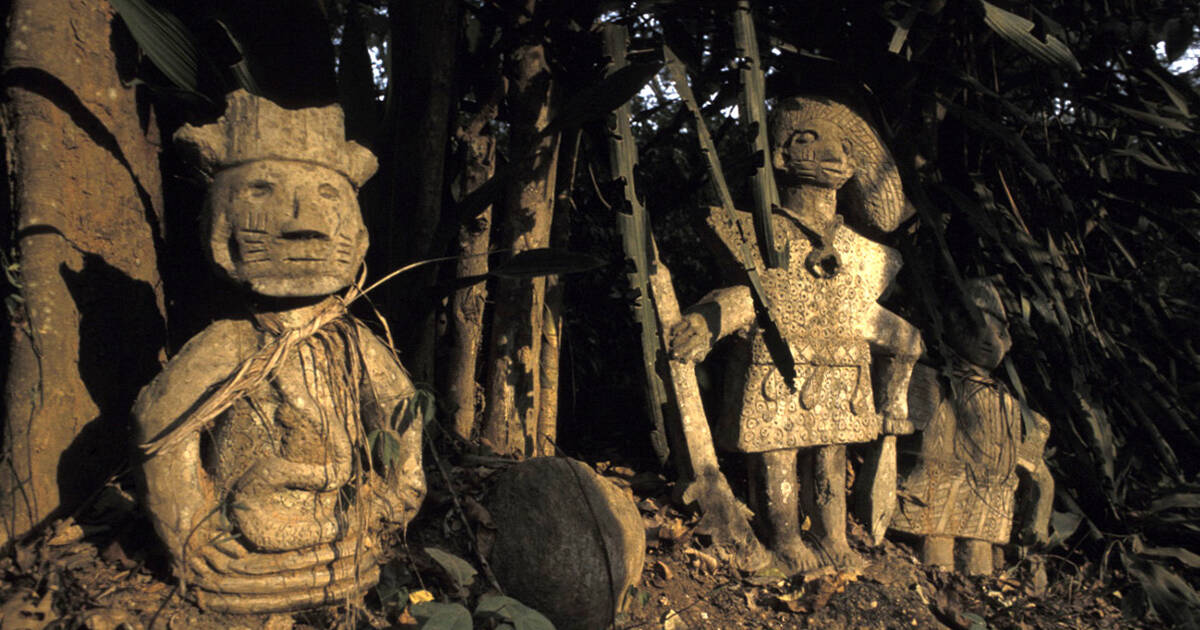
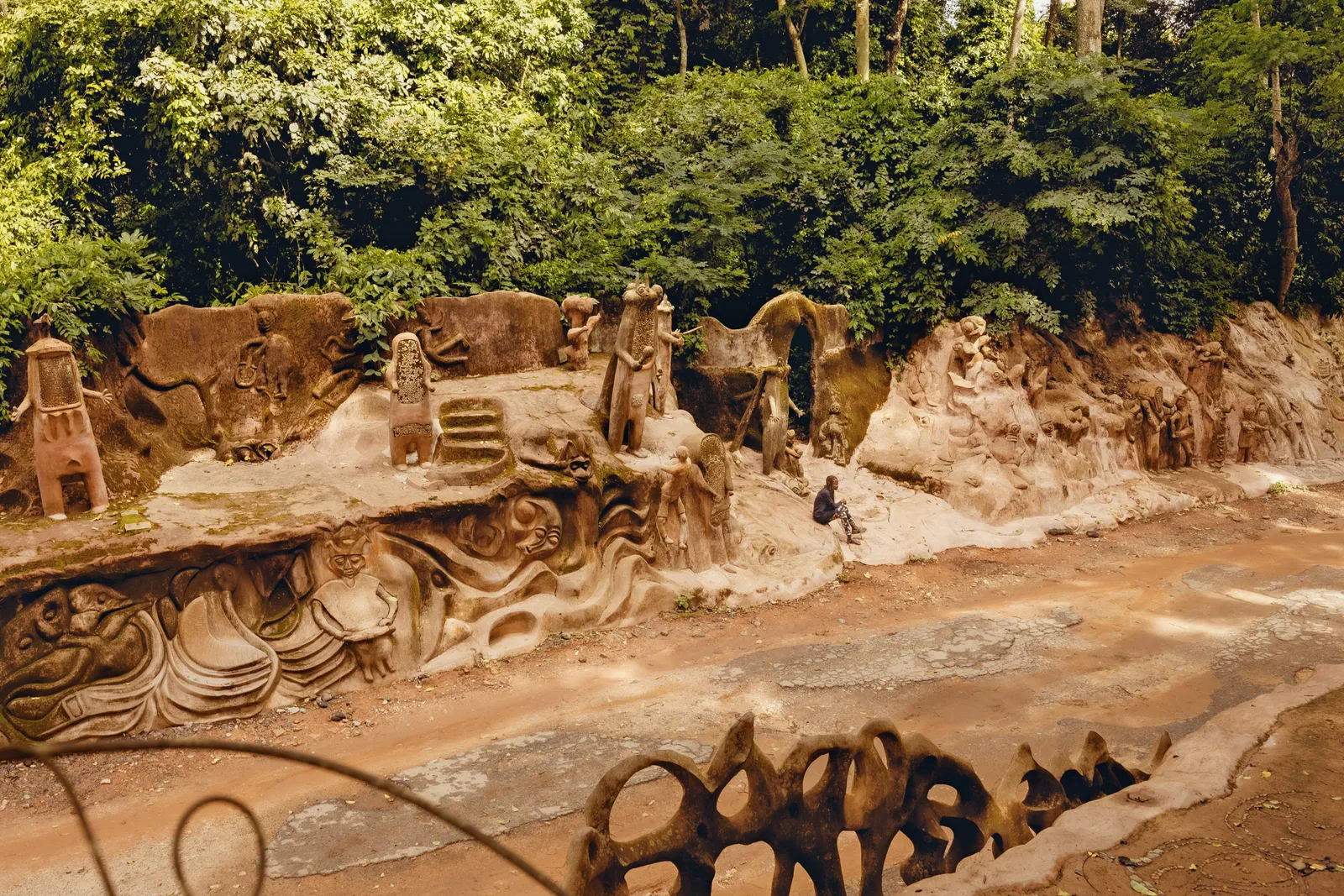
Within the grove are sanctuaries, shrines, sculptures, and artworks devoted both to Osun and other deities in the Yoruba pantheon. There are also palaces, sacred places, and multiple worship points (with traditional priests/priestesses) along the river banks
World Heritage Conservation Status
Osun-Osogbo was inscribed as a UNESCO World Heritage Site in 2005, recognized for its outstanding universal value, for its role in both religious and artistic heritage, as well as its biodiversity.
Festival & Rituals
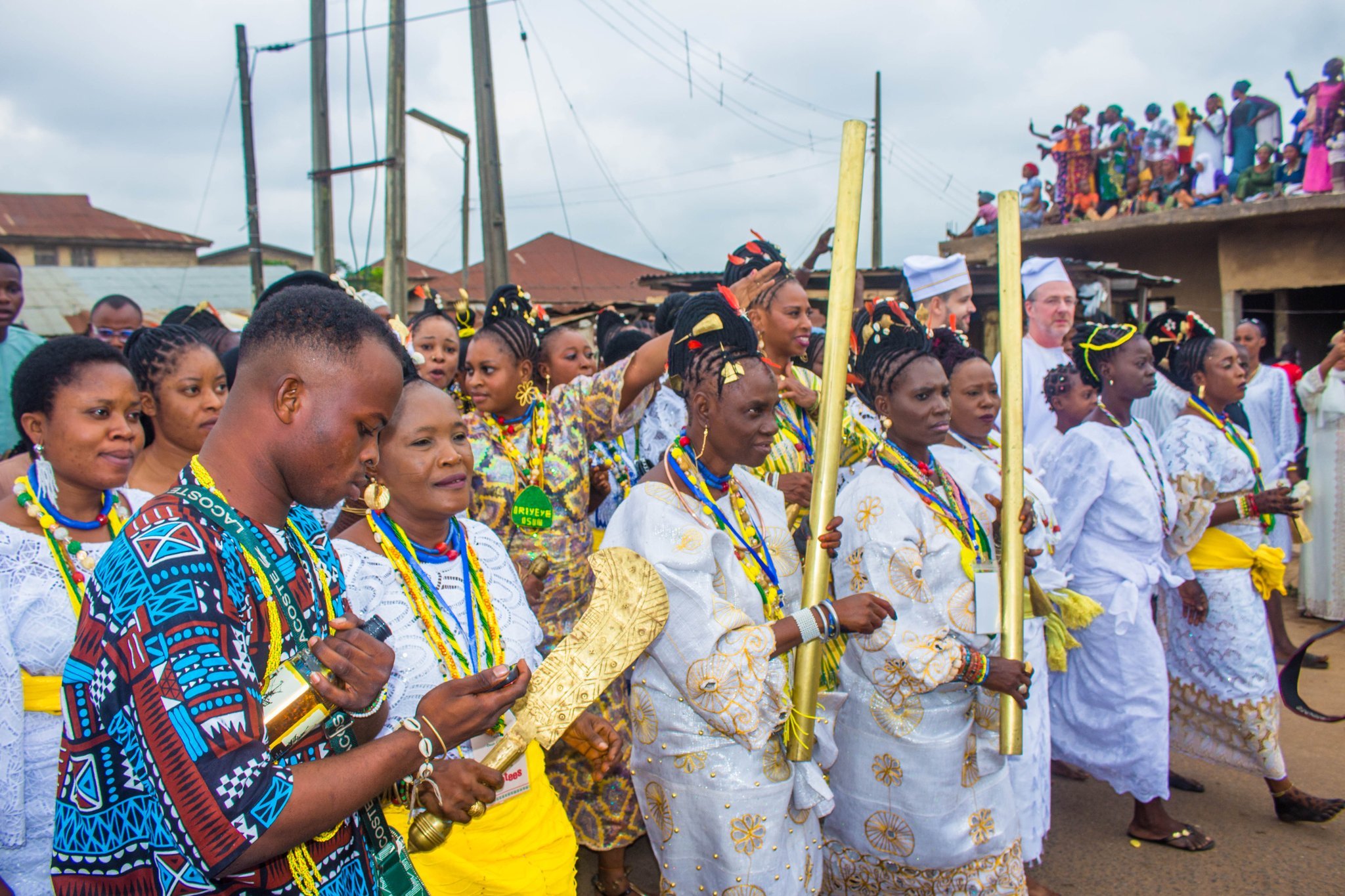
Every year in August a major festival (the Osun-Osogbo Festival) is held in the grove. It lasts for twelve days, featuring various rituals, processions, music, dancing, and cleansing ceremonies, culminating in a procession to the shrine of Osun. The festival draws worshippers, tourists, and Yoruba people, uniting them in ritual, culture, and heritage.
Get your tickets today!
Join us for an exciting tour of the vibrant history and culture of Osun